




Tools of the Trade: Discovering the Aitken Tall Fount at The Bow Bar, Edinburgh
From the Desk of JT, the Beer Logger (B-Logger)
- Mission: 50 Beers to 5000
- Location: Edinburgh, Scotland
- Focus: Beer culture, history, and the magic behind the tap
- Vibe: Nerdy curiosity meets pub-side storytelling
- Mood: Deeply amused, slightly confused by accents, and loving every minute
As I travel and taste beer, I’ve realized something important about myself:
I’m not just chasing beers.
I’m chasing how those beers are served and displayed and marketed.
The glassware.
The taps.
The quirks behind the bar that make you stop mid-sip and say, “Wait… what is that thing?”
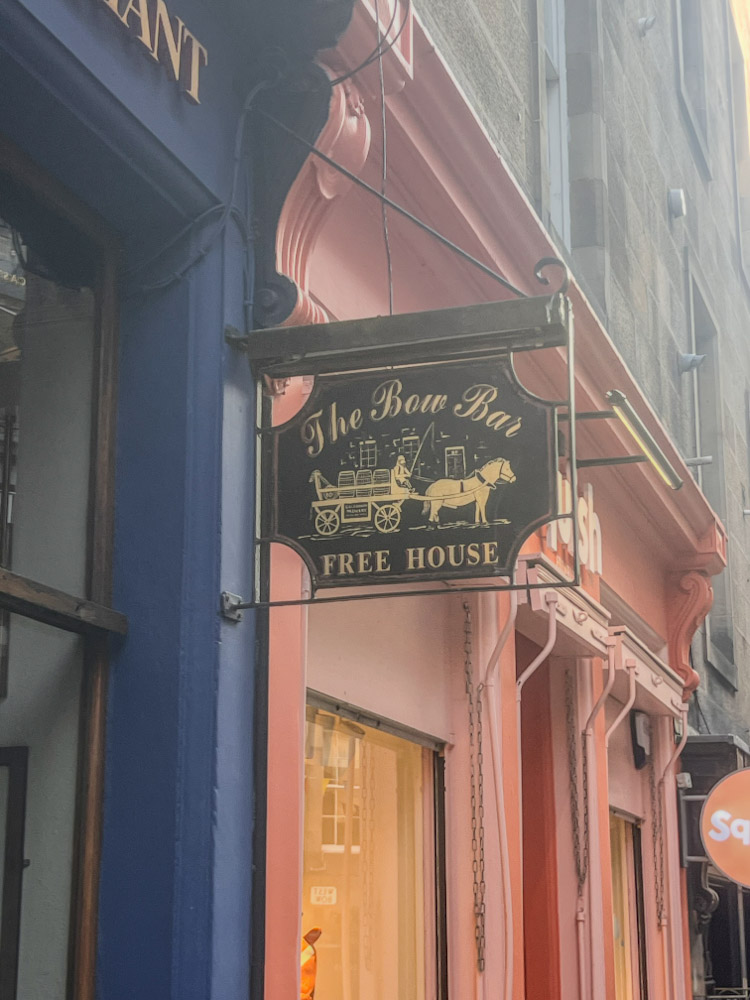
Edinburgh delivered one of my favorite tools of the trade discoveries yet — and it happened at The Bow Bar.
🍺 Falling for the Fount (Pronounced Font)
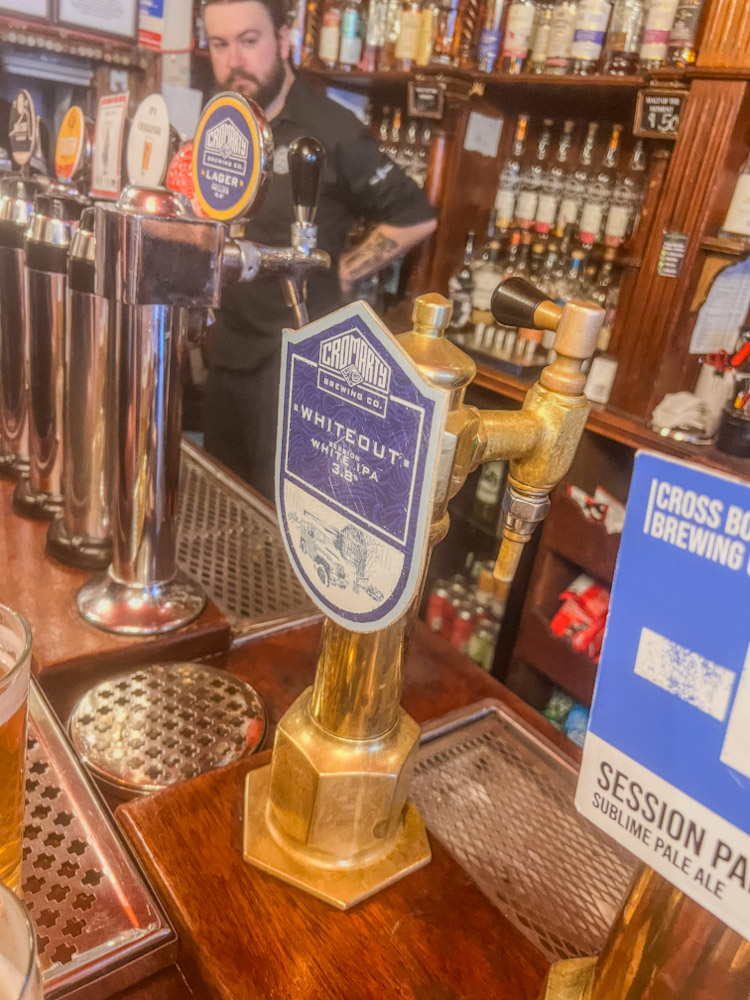
Tucked into the Bow Bar is a piece of Scottish beer history that stopped me in my tracks:
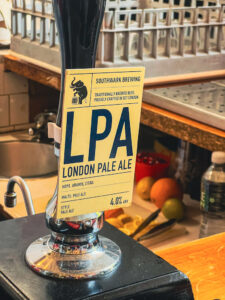
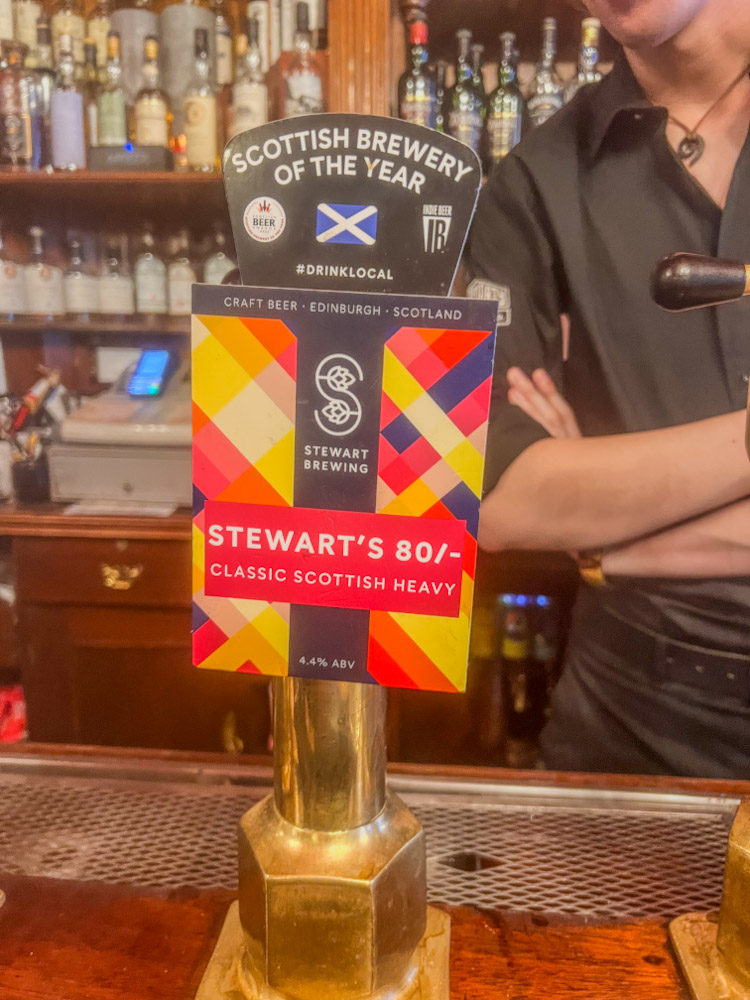
The Aitken Tall Fount.
Tall.
Brass.
Elegant.
And absolutely not something you see every day — especially if you drink most of your beer in the United States.
I was so intrigued that I:
- Asked questions
- Shot multiple videos
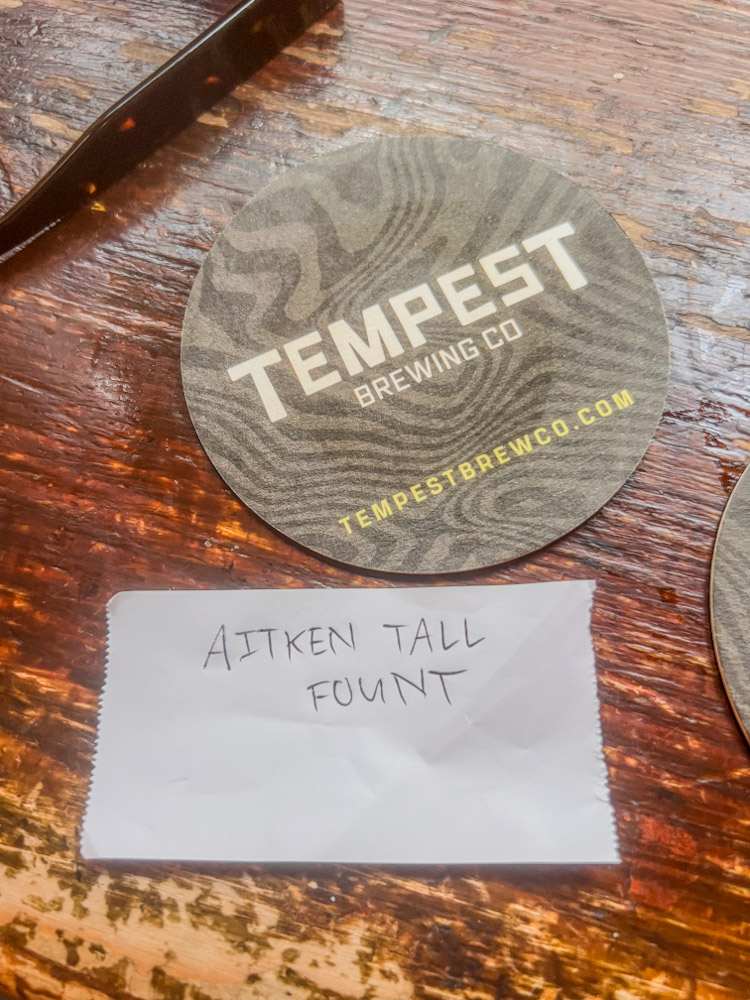
- Had the bartender spell the name for me because I could not, for the life of me, understand what he was saying. See the 19 second video below.
(Scottish accents are undefeated. And I say that with love.)
I went back multiple times just to drink beers dispensed from this tap — because once you notice it, you can’t not notice it.
🛠️ What Is an Aitken Tall Fount?
In simple terms:
It’s a traditional Scottish method of dispensing cask ale — but without the hand-pumped workout.
Or, as the bartender perfectly put it:
“Without getting a bicep workout.”
Unlike hand pumps, the Tall Fount:
- Creates the cask ale effect and taste
- Dispenses beer smoothly
- Uses pressure generated mechanically (historically by water engines, now electric compressors)
- Avoids artificial gas pressurization
The result?
A soft, foamy, beautifully conditioned pint that drinks exactly how it should.
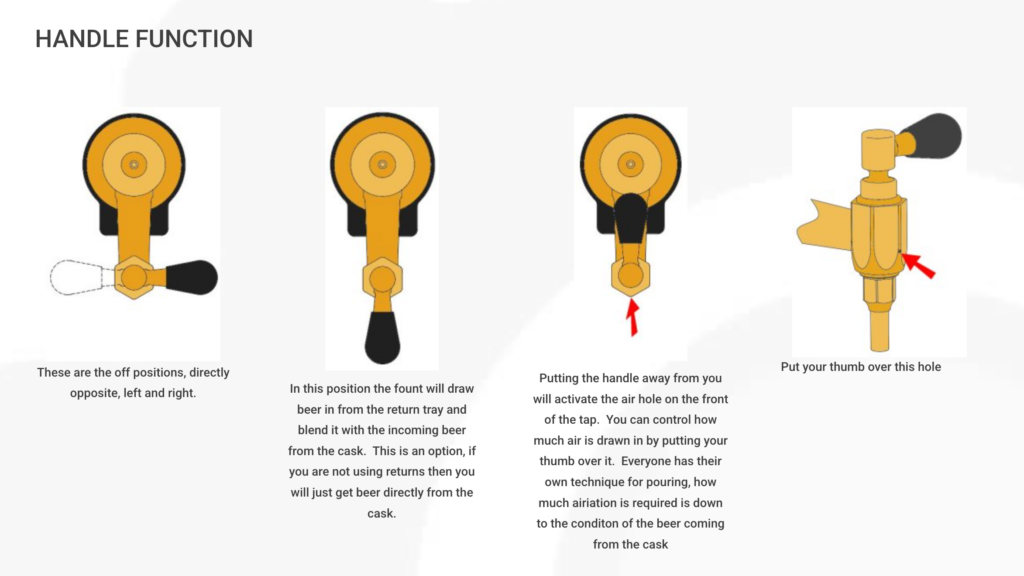
The graphic above is from Creo Solutions. Contact them for more details. Here’s a how-to-use.
📚 A Bit of History (Straight from the Pub Nerd Files)
According to historical sources (and confirmed by Wikipedia):
In Scotland, cask ale was traditionally served through a tall fount (pronounced font). These taps:
- Look similar to keg taps
- Were often made of brass
- Drew beer from the barrel using air pressure generated by a water engine
- Are increasingly rare today
Many pubs moved toward hand pumps because:
- They’re seen as the “correct” way to serve real ale
- Tall founts can be mistaken for keg taps
- Keg beer is often (unfairly) viewed as inferior by traditionalists
Despite that, Aitken Tall Founts are still alive and well in a handful of Edinburgh pubs — and I’m very glad I found one.
🍺 Why This Hit Home for Me
Back in the United States, finding cask ale or hand pumps can feel like hunting unicorns.
So discovering:
- A different historical method
- Still actively used
- Still respected
- Still producing fantastic beer
…was genuinely encouraging.
Conceptually, the Tall Fount reminded me of another favorite discovery: the side-pull / Lukr faucet.
🇨🇿 Side-Pull Cousins: Lukr Taps & Foamy Perfection
The idea is similar:
- Control the pour
- Emphasize foam
- Highlight texture and drinkability
Lukr taps are most often used for authentic Czech lagers, where foam isn’t a flaw — it’s the feature.
One of my favorite local spots back home is Barriehaus Beer Company, and they run multiple Lukr taps at both of their locations.
Different countries.
Different styles.
Same philosophy:
👉 The tap matters.
A Quick Comparison 🍻
- Lukr side-pull: Czech lagers, creamy foam, precision pours
- Aitken Tall Fount: Scottish ales, soft carbonation, cask-like character
Different tools, same respect for tradition.
🎥 The Human Element (And a Lot of Laughing)
One of my favorite parts of this whole experience wasn’t just the beer — it was the interaction.
The bartender:
- Explained the system
- Demonstrated the pour
- Patiently repeated the name
- Eventually spelled it out for me
All while I nodded enthusiastically and still misunderstood half of it.
Those are the moments you can’t plan — and they’re exactly why beer travel rules.
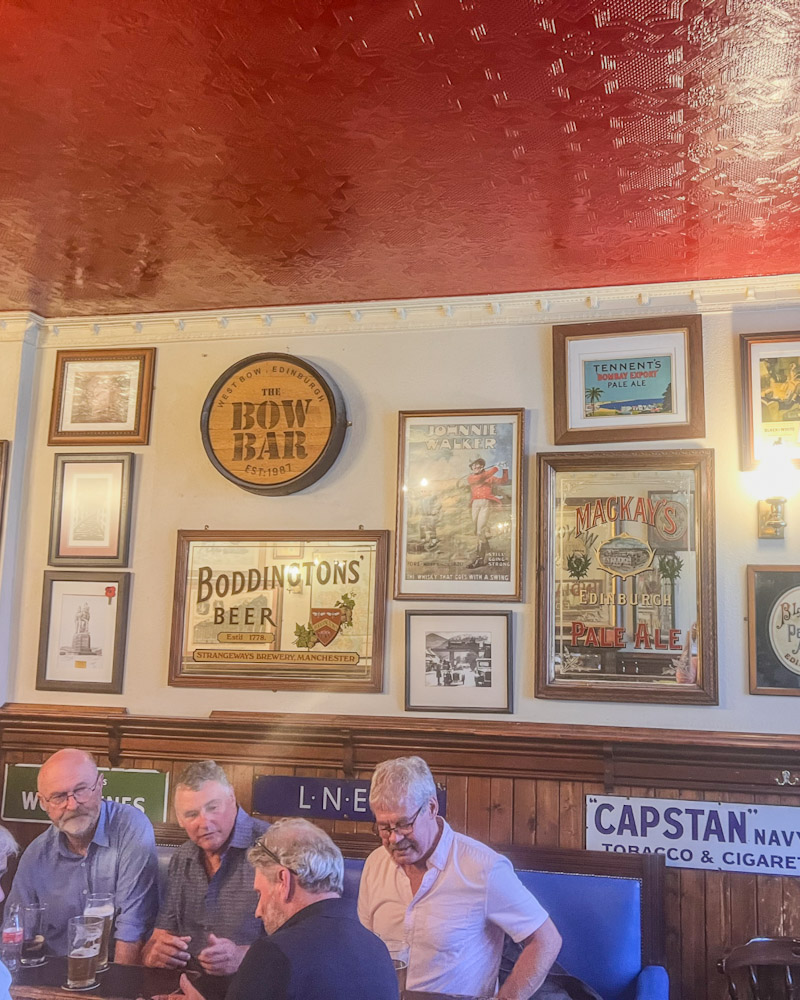
🍺 Why Places Like The Bow Bar Matter
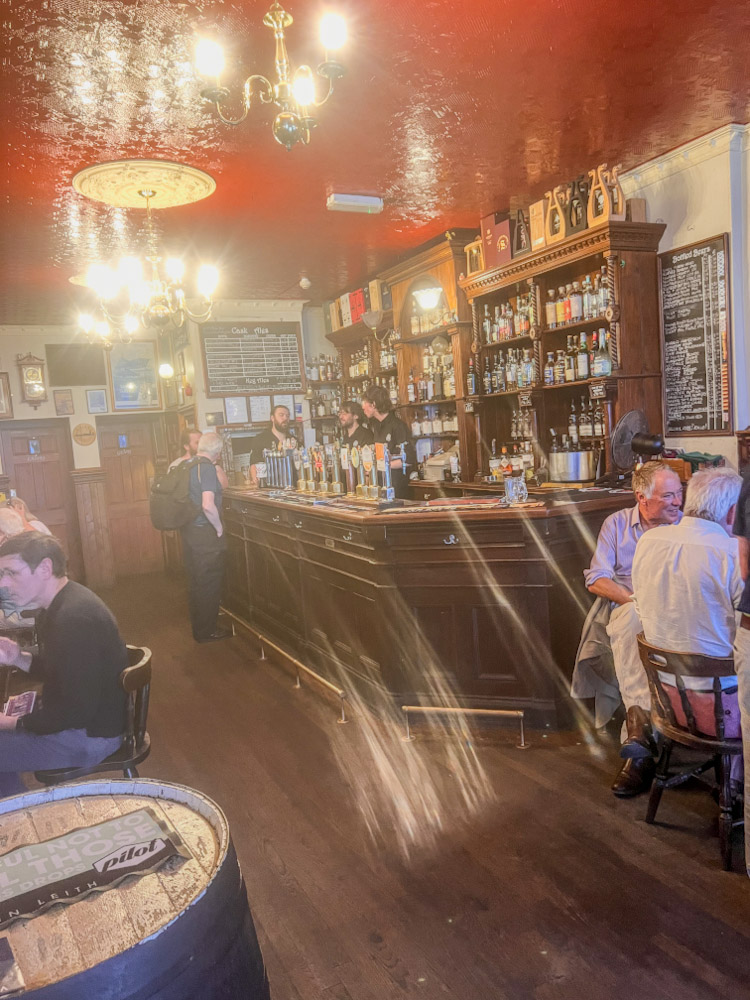
The Bow Bar isn’t just a pub. It’s a caretaker of tradition.
By keeping Tall Founts in service, they’re:
- Preserving Scottish beer history
- Teaching drinkers something new
- Proving there’s more than one “right” way to serve great beer
And for travelers like me?
They’re offering education disguised as a pint.
Which is the best kind of education.
🍻 Final Thoughts: Respect the Pour
Beer isn’t just about:
- The brewery
- The style
- The ABV
It’s about how it gets from barrel to glass.
Finding the Aitken Tall Fount in Edinburgh reminded me that:
- Tradition still lives behind the bar
- Innovation doesn’t always mean new — sometimes it means remembered
- And great beer culture is as much mechanical as it is magical
I’ll absolutely be keeping an eye out for Tall Founts wherever I travel next.
And yes — I hope the quote from The Mitre Bar still applies:
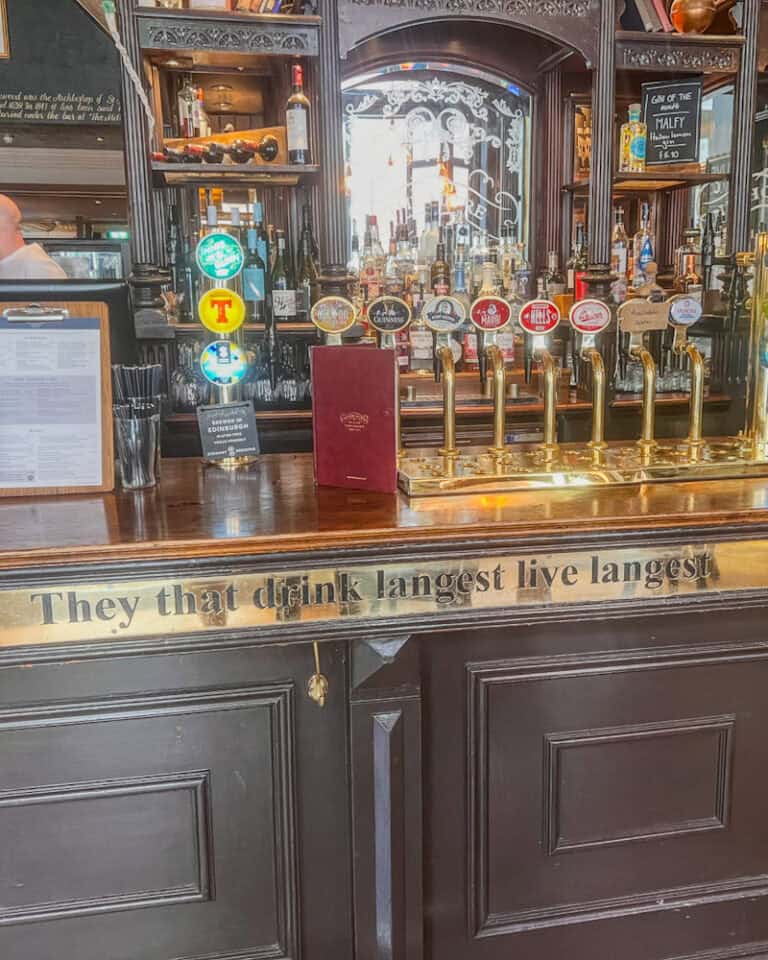
“They that drink langest live langest.”
Fingers crossed. 🍺
Cheers 🍻
JT, the Beer Logger (B-Logger)
Having a blast, with beer!
Key Takeaways
- JT, the Beer Logger, explores beer culture and history in Edinburgh, focusing on unique serving methods like The Aitken Tall Fount.
- The Aitken Tall Fount is a traditional Scottish beer dispensing system that preserves cask ale quality without hand-pumping.
- Interaction with bartenders adds to the experience, showcasing the human element behind beer culture.
- The Bow Bar in Edinburgh serves as a caretaker of tradition, emphasizing the importance of historical serving methods.
- JT appreciates how different countries maintain their unique beer-serving traditions, reflecting respect for craft and history.
Checkout some of the 50 Beers to 5000: Master Beer Log